
From Ustad Amir Khan Sahib to Today
Rotate the antique brass astrolabe dial to explore the unbroken chain of wisdom, discipline, and aesthetic philosophy passed across four generations of Gurukul masters.

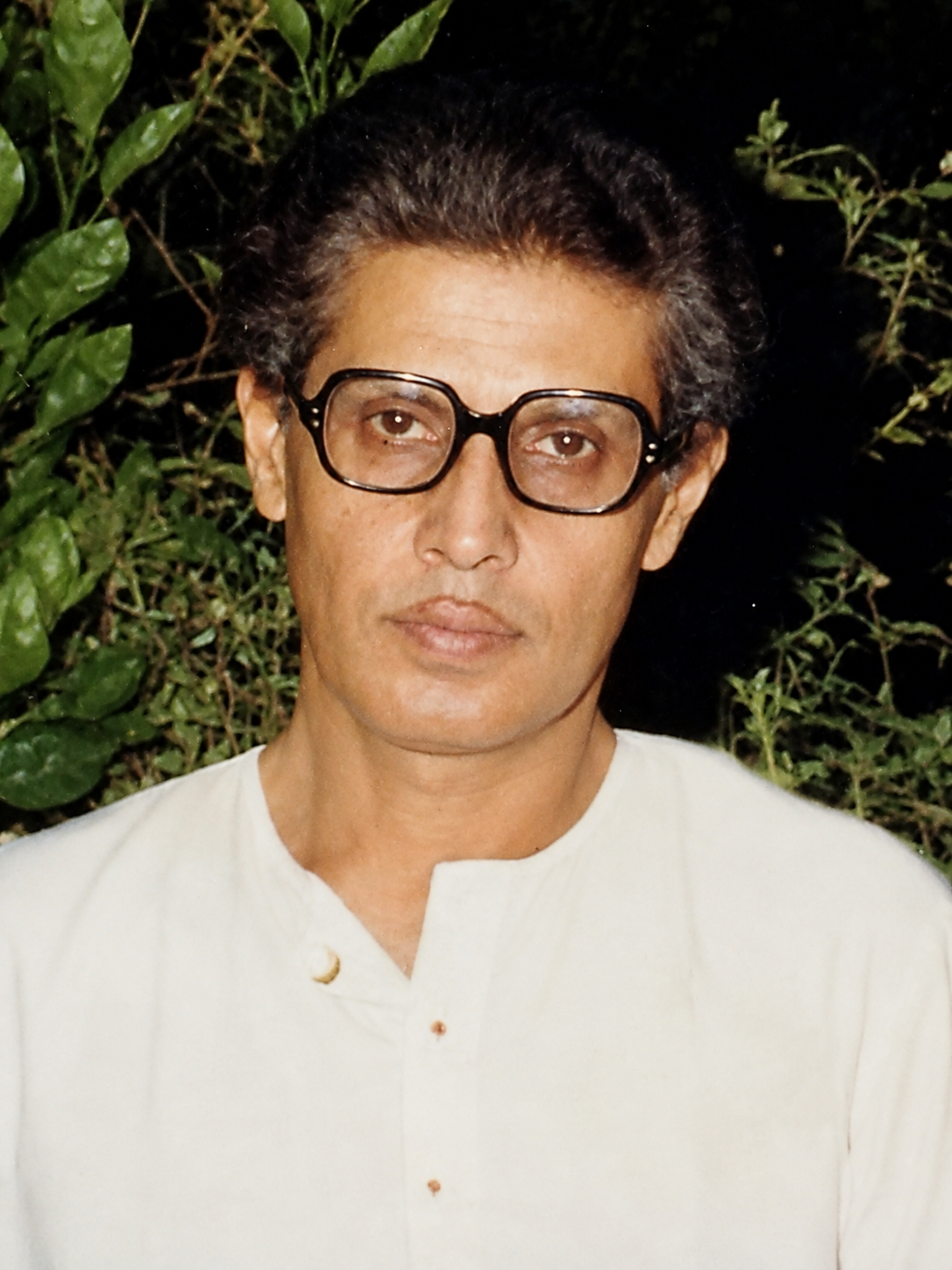
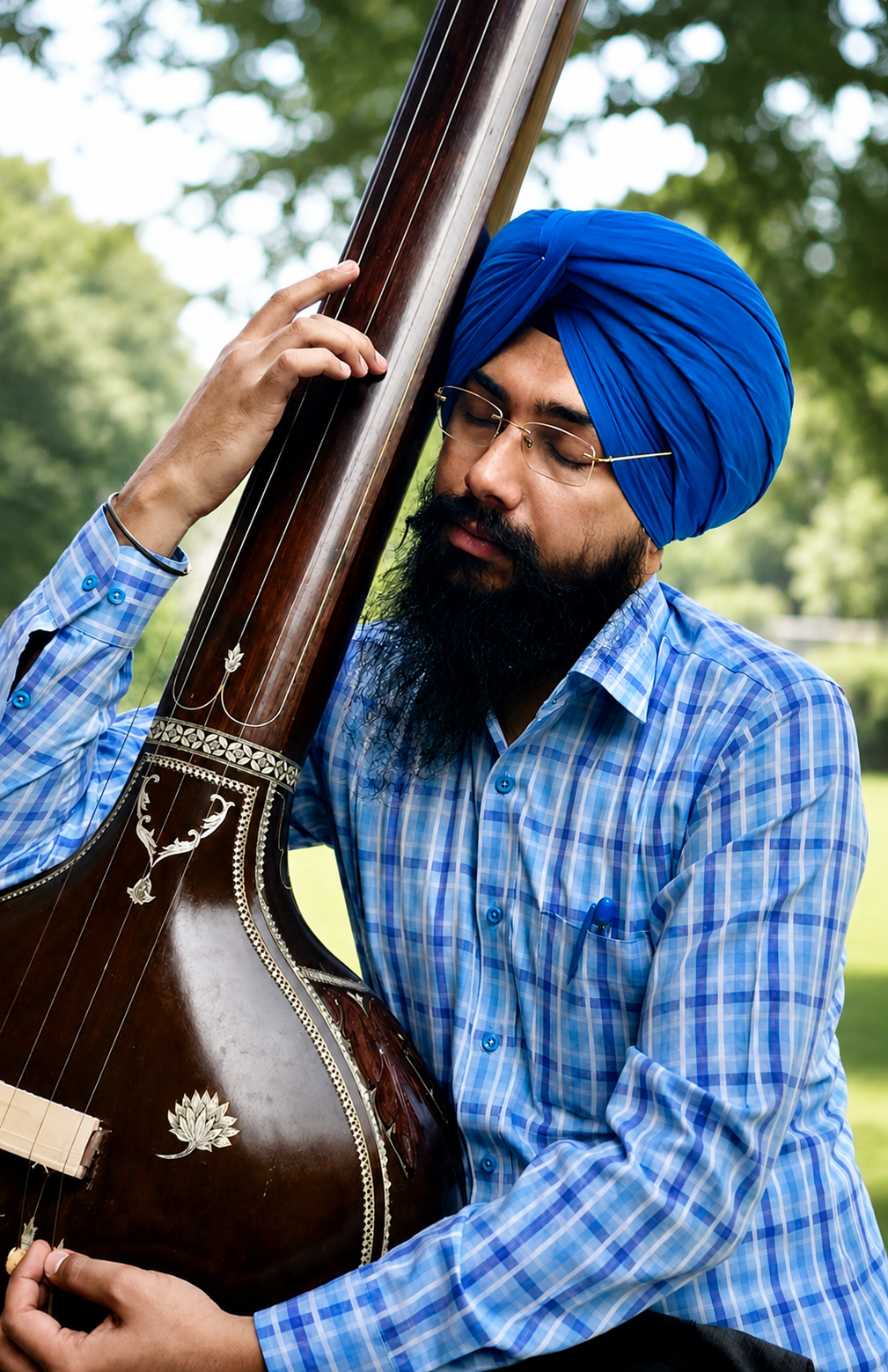

Drag dial ring or tap a Guru portrait to rotate
Ustad Amir Khan Sahib
“Don’t learn what I sang. Learn how I produced it.”
“Don’t Learn What I Sang. Learn How I Produced It.”
Ustad Amir Khan Sahib believed that learning music was not simply about memorising notes or copying a Guru’s phrases mechanically.
For him, every swar possessed a sacred life of its own. A student had to understand not only the pitch being sounded, but also its inner movement, emotional placement, swara-lagav, and lingering resonance.
He taught that riyaz was a three-fold lifelong journey: first, gaining command over breath, swar, and taal; second, internalizing the contemplative philosophy of the gayaki; and finally, discovering one’s own unique musical expression while honoring the tradition.
For Ustad Amir Khan Sahib, true discipleship was never about becoming an echo of the teacher. It was about listening so deeply that you awaken your own authentic voice.
Why Lineage (Parampara) Matters
In Hindustani classical music, authentic knowledge is transmitted ear-to-ear, heart-to-heart (Guru-Shishya Parampara). Ankit Sharma was personally trained in this unbroken tradition, ensuring you learn music that has remained pure, refined, and undiluted for over a century.